Commercial roofing for Hampton and the Virginia Peninsula

Commercial roofing for Hampton and the Virginia Peninsula
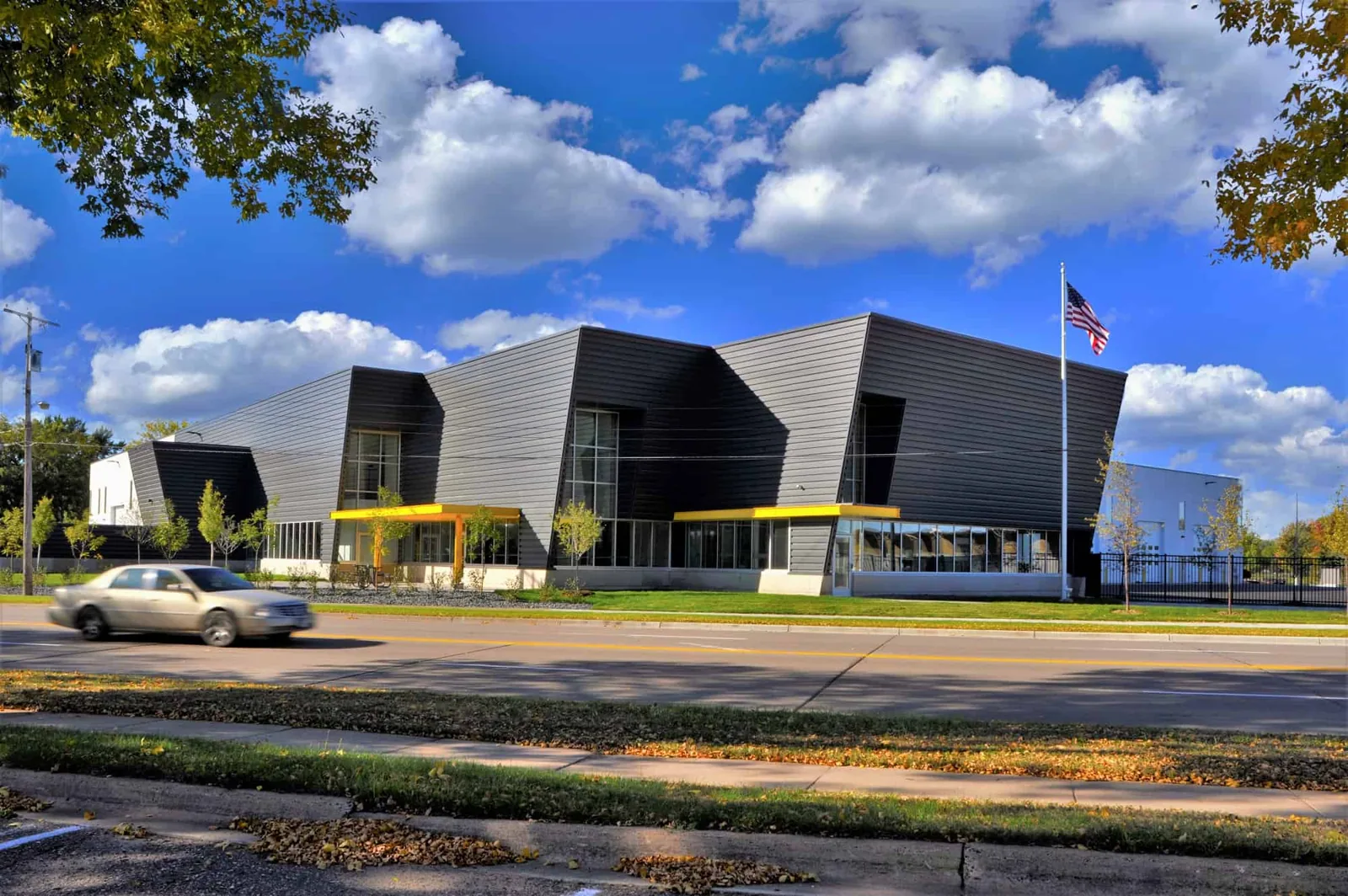
A leak over a dining room, stock area, or service bay can interrupt the shift, so we first establish what is wet and when access is possible. The roof check tracks seams, exhaust curbs, HVAC penetrations, drains, edges, and prior patches before setting a repair boundary. Offices, medical services, retail, and mixed-use properties are part of Coliseum Central and Downtown Hampton. A commercial roof repair visit can identify protection needs and fit the work around deliveries and customer access.
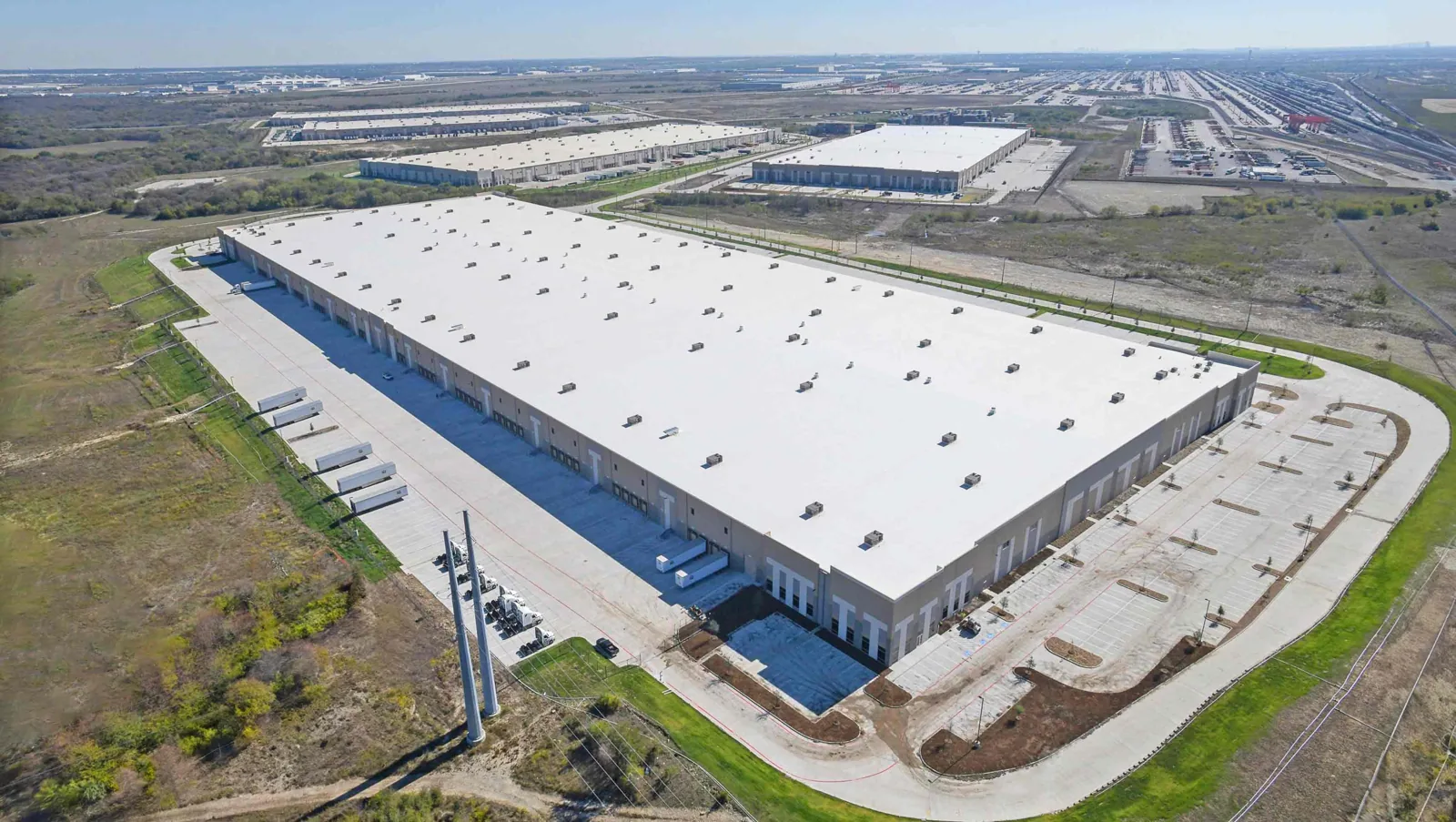
Water over a sales floor may follow a curb, seam, drain, or concealed path before it reaches a ceiling tile. We inspect the roof above the report and the neighboring details that can carry water. Rooftop units, exhaust hoods, pipe penetrations, skylights, and prior patches each need a close look at their flashing and transition. The report identifies what the crew observed and whether a test is needed to define wet insulation or deck.
For a chain operator, the same service ticket format can be useful across locations, but the repair scope is property-specific. We map findings by roof area and note any access limitation or condition that changes the visit. A roof inspection supplies photos and a next-action list that a facilities contact can compare with the store’s maintenance record, without inferring that a repeated symptom has the same source at every location.
A repair above a restaurant kitchen may require coordination around exhaust, deliveries, and food-service hours. A retail property may need entrances, sidewalks, and customer parking kept clear. We confirm the access route, staging area, roof hatch, delivery timing, and any safety boundary the owner requires. For a chain, the local manager or facilities contact should identify who can approve access and when the roof can be reached.
We plan noisy removal, open-roof time, debris handling, and dry-in in a sequence the site can review. If the roof must be opened, the crew sets a close-up plan before work starts and watches the forecast. A occupied-store roofing sequence can divide work by area and state where temporary limits may affect operations. That gives the operator a practical notice instead of a broad promise that business will be unaffected.
Coliseum Central spans nearly three square miles around the I-64/I-664 crossroads and is a major regional shopping district. Its mix includes office, medical-service, retail, and mixed-use buildings. A repair plan starts with the store’s membrane, drains, equipment, loading, and roof access.
Mercury Boulevard, King Street, and Pembroke Avenue carry commercial traffic in Hampton; Big Bethel Road at Hampton Roads Center Parkway and Fox Hill Road at Willow Oaks Boulevard are commercial nodes. A call at Coliseum Central begins with the tenant area and service schedule, then sets the building’s roof-entry and loading plan with the property contact.
Water on a sales floor or dining area may begin at a blocked drain or an unrelated flashing. We inspect drain bowls, strainers, scuppers, overflow paths, low areas, and discharge details, then compare them with the interior report. Grease exhaust, plumbing vents, and mechanical equipment can complicate roof surfaces, so the crew checks the flashing and the condition around each penetration without obstructing equipment service.
The Hampton coastal-flood warning described inundation of 2 to 3 feet in low-lying shoreline and tidal-water areas. A store manager can note the time water appeared, the drains and scuppers checked, and whether ceiling symptoms followed rain or high water. Keep roof findings distinct from plumbing and ground-drainage observations: record debris, damaged components, the route water took, the person contacted, and the next review date. A shared form can standardize fields without blending findings from separate properties.
If water is active, we first discuss temporary protection for the affected room and contents, then inspect the roof when access is safe. The permanent repair is built from the actual membrane or metal system and the detail that failed. At a curb, the flashing must close around the equipment. At a seam, preparation and welding or adhesive depend on the installed material. The report says what was repaired and what remains under observation.
A repair should account for nearby details that could feed the same leak, but it should not grow into unrelated work without evidence. If damage is broader, the owner may need moisture testing or a replacement review. We state the work boundary, access limits, and schedule assumptions before mobilization. A temporary emergency response can reduce immediate exposure while permanent materials or the next suitable weather window are arranged.
Repeated leaks can trigger a larger review, but the count of service tickets does not measure the condition of the roof. We compare the spread of defects, moisture evidence, deck condition, drainage, and prior repair history. A replacement discussion should identify what is failing, which roof zones need work, and whether phasing around store hours changes the plan. For a group of properties, each location keeps its own findings and budget assumptions. A consistent report can still use the same fields: store identifier, roof zone, access point, affected department, time water began, details inspected, and weather during the visit. Keep photos with the exact property record. If temporary protection is installed, name the follow-up contact and review date so a later crew can check it before the next weather window. Name who releases the affected area back to store operations.
Hampton’s commercial areas include neighborhood-serving retail, business-to-business uses, and larger commercial services along major roads. A replacement scope can state removal, substrate preparation, equipment-curb details, weather protection, and phasing. When the property also includes lodging or food service, hospitality roof planning raises related scheduling issues; the actual roof assembly sets the system and work limits.
We close a repair with a location, photographs, work performed, and any condition that still needs monitoring. The site can keep the report with its maintenance ticket and identify what to check after the next rain. If the restaurant or store changes operator, the roof record remains tied to the building and roof area rather than the prior manager’s memory.
For a chain, the central facilities team can compare repair history across locations while preserving each site’s separate assembly and condition. Property management roof records can support similar asset-level handoffs where an outside manager coordinates work. A preventive roof visit can revisit seams, drains, equipment curbs, and prior patches. We assign follow-up actions from field findings, with access and timing confirmed by the site contact.