Commercial roofing for Hampton and the Virginia Peninsula

Commercial roofing for Hampton and the Virginia Peninsula
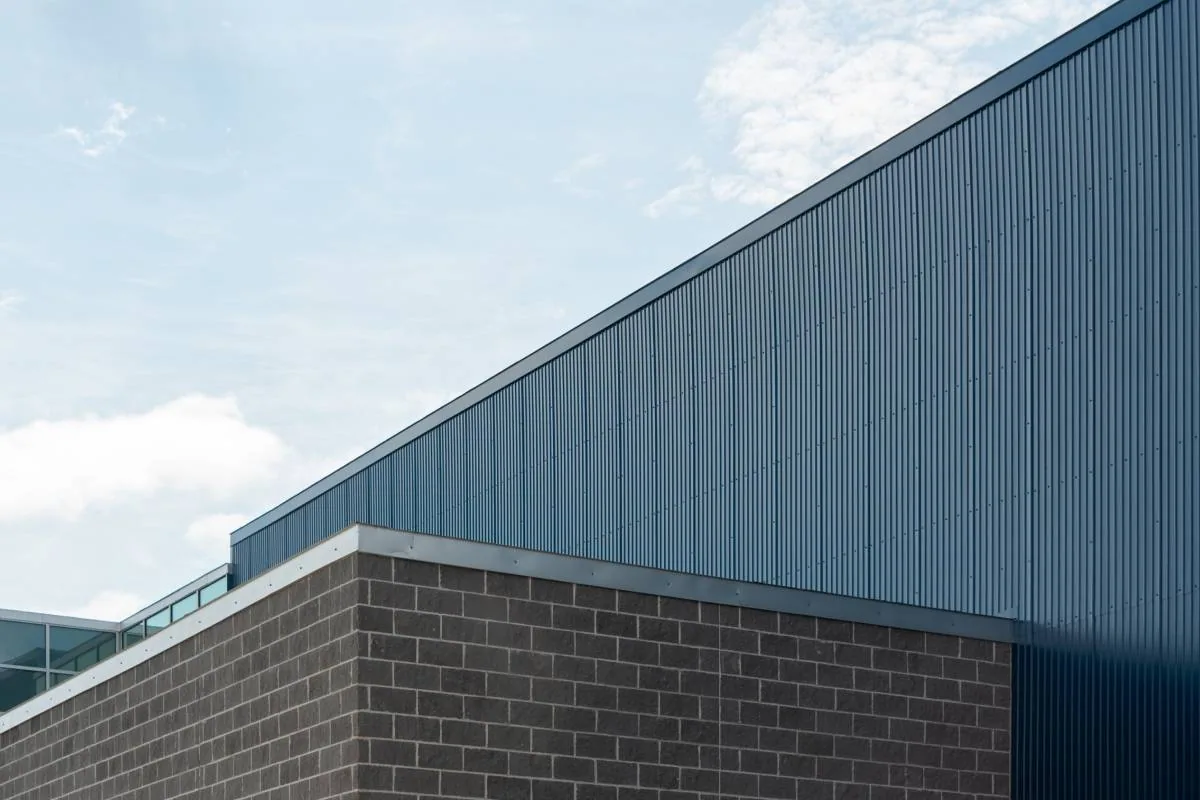
After a roof fire, the visible opening is only one part of the inspection. Heat, smoke, water used during response, and debris may affect different roof areas and building systems. We first confirm the site contact’s safety and access instructions, then document exposed areas, membrane or metal condition, penetrations, drains, and the roof assembly that can be seen. Hampton’s business-park inventory includes light manufacturing, research, warehouse, and distribution uses across several named parks. That broad local mix does not describe a particular property’s fire loss. A commercial emergency roof response can begin with temporary protection and a record of the immediate condition, followed by a defined inspection and repair scope.
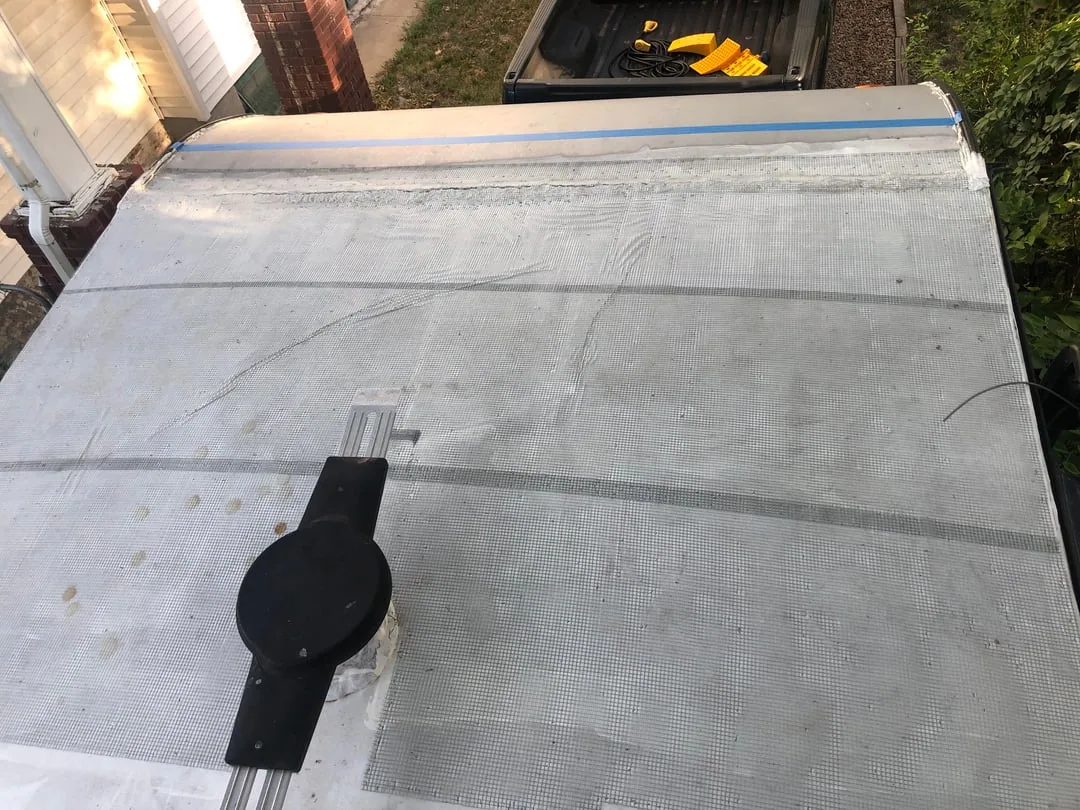
Roof access may remain limited while the property team, fire officials, or other responders complete their work. We follow the owner’s access instructions and confirm which areas are released for inspection. The crew identifies any unstable surface, exposed opening, or condition that requires another trade before roofing work begins. We do not enter restricted areas or interfere with the response process.
Once access is approved, we photograph the roof and mark visible damage by area. A building representative can identify operating rooms, equipment, stored materials, or utilities that need protection below the roof. The first task may be temporary dry-in rather than permanent repair. A roof inspection can record what is visible, what remains inaccessible, and which follow-up review is needed before a complete scope is prepared.
Fire-related roof conditions can include a burned or displaced membrane, damaged insulation, exposed deck, compromised flashing, and punctures from response or debris. The crew documents each observed condition without assuming that discoloration shows the full extent of heat exposure. Water may also have entered through the opening or reached the assembly from firefighting activity, so moisture findings are recorded separately from surface damage.
We inspect the roof area around the opening and note the type of assembly where it can be identified. If removal is needed to see the deck or insulation, the estimate states that limit and the approval point. A membrane puncture review can address a separate impact opening when evidence supports it. The final scope should not combine unrelated damage simply because it was found during one event.
Copeland Industrial Park and the Bright’s Creek area beside the interstate are where Hampton concentrates its heaviest industrial uses. Its business-park inventory also includes warehouse, distribution, research, and manufacturing activity. These local facts can help a facilities manager locate records and coordinate access, but they do not identify a damaged building, tenant, or roof assembly. We confirm the exact property and inspect the area released for roofing work.
Interstates 64 and 664 converge beside Copeland Industrial Park, and Hampton notes some rail access within the park. If a project involves deliveries or staging, the site contact confirms the actual route and operating limits. A Copeland Industrial Park service visit is planned for the named property, not the park as a single facility. That keeps location context separate from the specific damage record.
If an opening remains, the temporary measure must account for the roof edge, expected weather, and the way water could enter. We identify the material used, its limits, and the return work required. A temporary cover can help protect the building while the owner reviews a permanent scope, but it is not recorded as restoration of the damaged assembly. For a larger opening, the crew marks each exposed area separately so the property team can decide which sections need immediate cover and which await testing. Temporary protection is photographed before and after installation, with its location and weather limits noted. If a change is required to secure the opening, we record the reason and update the owner before the crew proceeds.
Inside, the property team may need to protect equipment, inventory, or occupied rooms. We coordinate the roof boundary and the interior area with the site representative, then document what was affected. If wet insulation or damaged deck is exposed, the repair scope identifies removal and replacement separately from the initial dry-in. The owner can then distinguish immediate stabilization from reconstruction and related trade work.
A localized repair may fit when damage is limited, the surrounding material is sound, and the transition can be restored. Wider heat exposure, compromised substrate, or multiple damaged roof areas may require removal and replacement. We inspect the assembly, moisture condition, deck, drainage, and adjacent flashings before recommending a path. A system name is used only when field evidence or records support it.
Virginia’s Uniform Statewide Building Code covers maintenance and renovation of existing properties, changes of use, and new construction. Applicable requirements depend on the scope and the authority having jurisdiction. A replacement scope can identify removal, substrate work, insulation, flashing, phasing, and weather protection, with code and permit questions confirmed by the project team. Modified bitumen may be present on some commercial roofs, but system-specific repair is considered only after the installed roof is identified.
We can provide dated photographs, roof-area labels, a written condition report, and a description of temporary and permanent roofing work. The record distinguishes what the crew observed from what remains concealed or inaccessible. If another trade must assess wiring, structure, or mechanical equipment, that scope is listed separately rather than absorbed into roofing conclusions.
The owner or insurer decides policy and coverage questions. Our role is to document roofing conditions and the work proposed or performed. A roofing claim record can help organize roof photographs and scope for review without promising coverage or assigning cause beyond field evidence. Hampton’s commercial and industrial planning gives the property team a local frame, while the file remains specific to the building and inspection date.
Before the crew leaves, we verify the work boundary is closed or safely protected and identify any area that needs a return visit. The closeout record notes completed materials, photographs, open details, and any maintenance item. If the owner is restoring operations in stages, the roofing sequence can identify which sections are complete and which remain restricted.
Hampton’s business park and road network facts do not substitute for access instructions from the site manager. Work in the city is sequenced around the actual building, available equipment, and the next weather window. A separate storm damage review can be completed if the property also reports wind or water conditions from a weather event. The roof report keeps each finding and follow-up tied to the area observed.